

THE LAND AND VINEYARDS OF MONTE DELLE VIGNE
Where Our Identity Takes Root
Every wine begins with a place. Ours begins among the vineyards in Parma, in Ozzano Taro, where viticulture is rooted in an ancient tradition. This is where our story began: by choosing to embrace the legacy of this land, restore its natural vocation and transform it into a new story to tell.

Before the wine, the land.
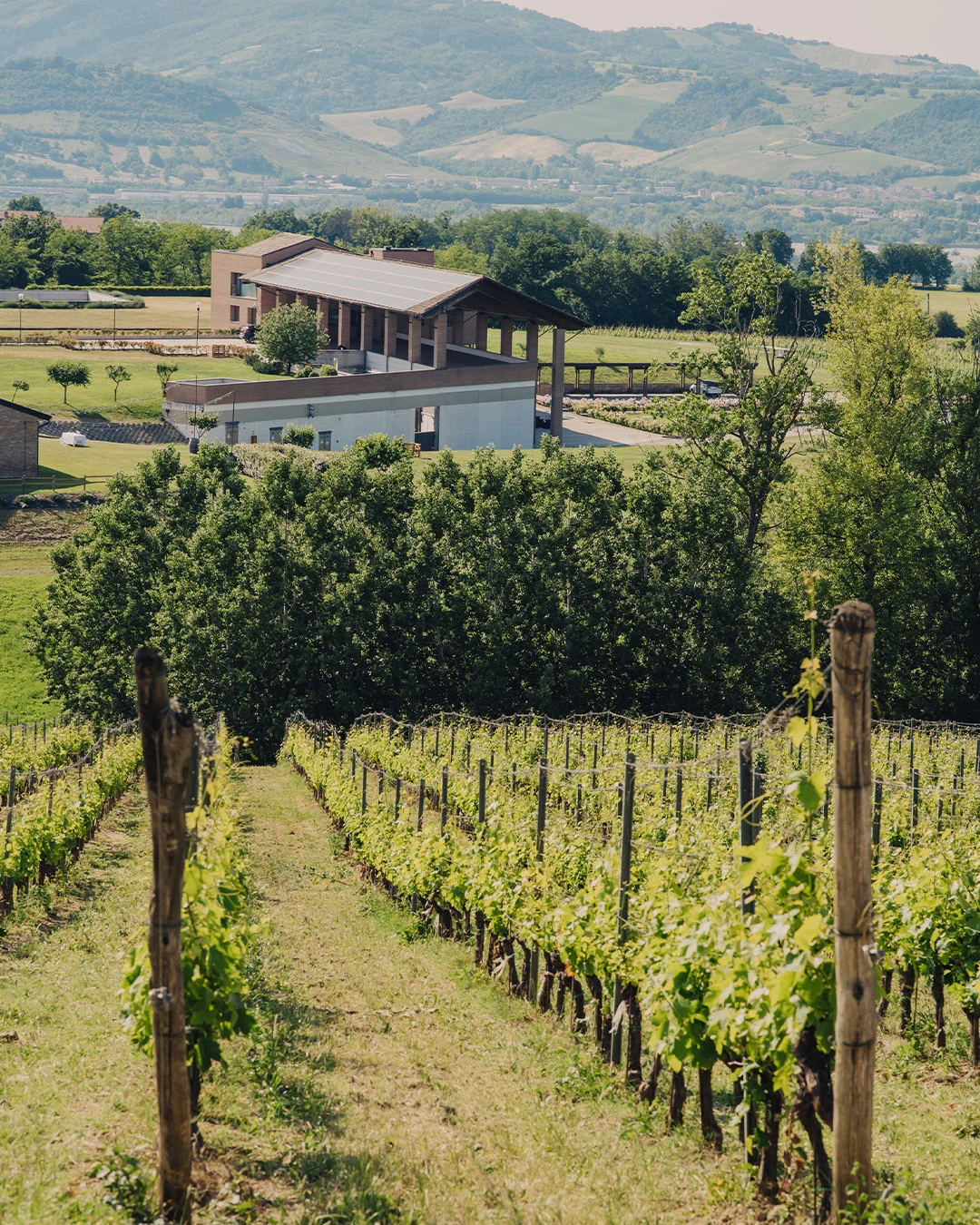
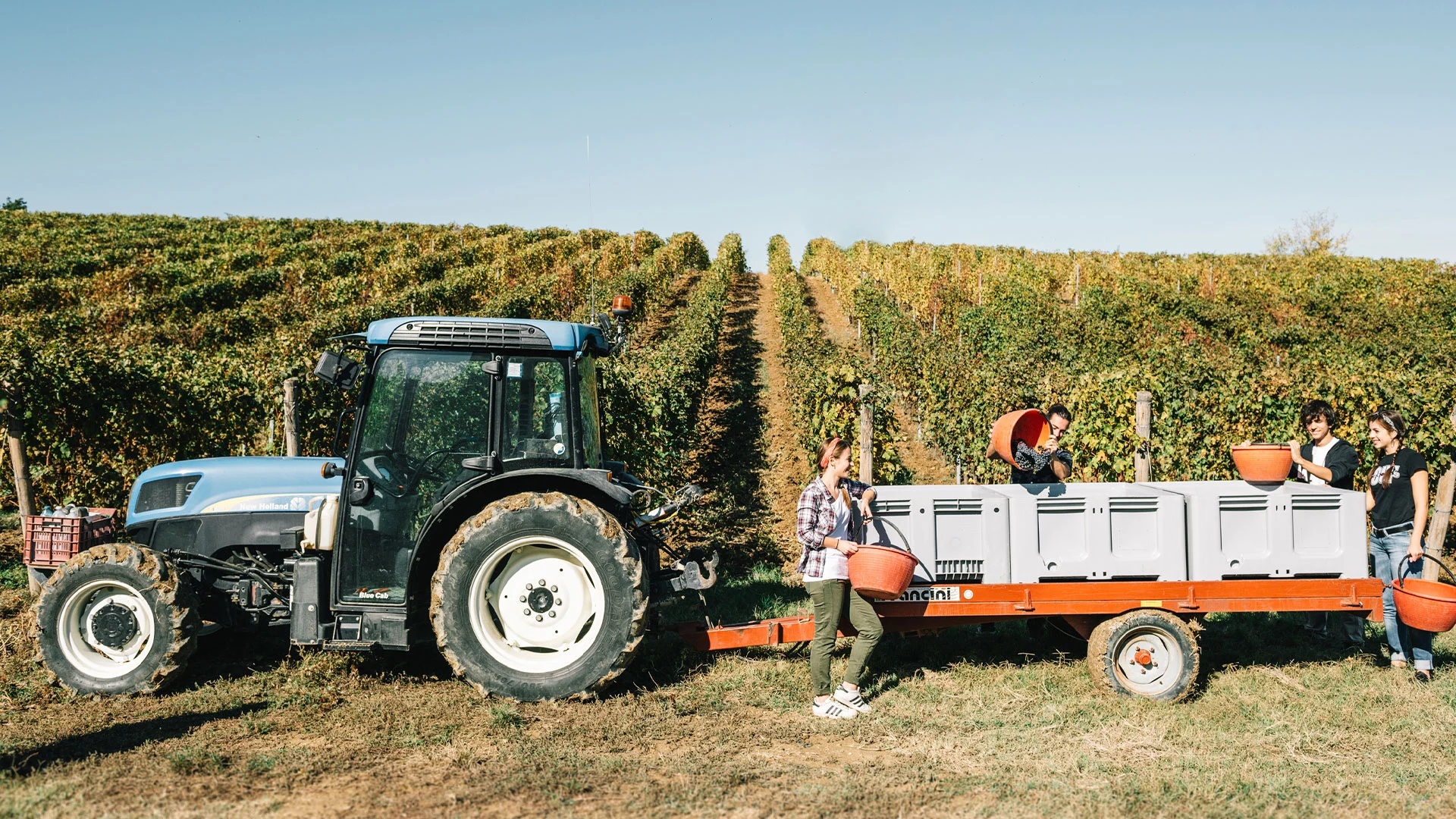
The vineyards of Monte delle Vigne stretch between the Taro River Regional Park and the Boschi di Carrega Regional Park. We are in Ozzano Taro, in the heart of the Parma Hills: a landscape of vineyards, woodlands, meadows, lakes, streams and badlands, where nature and viticulture have always coexisted.
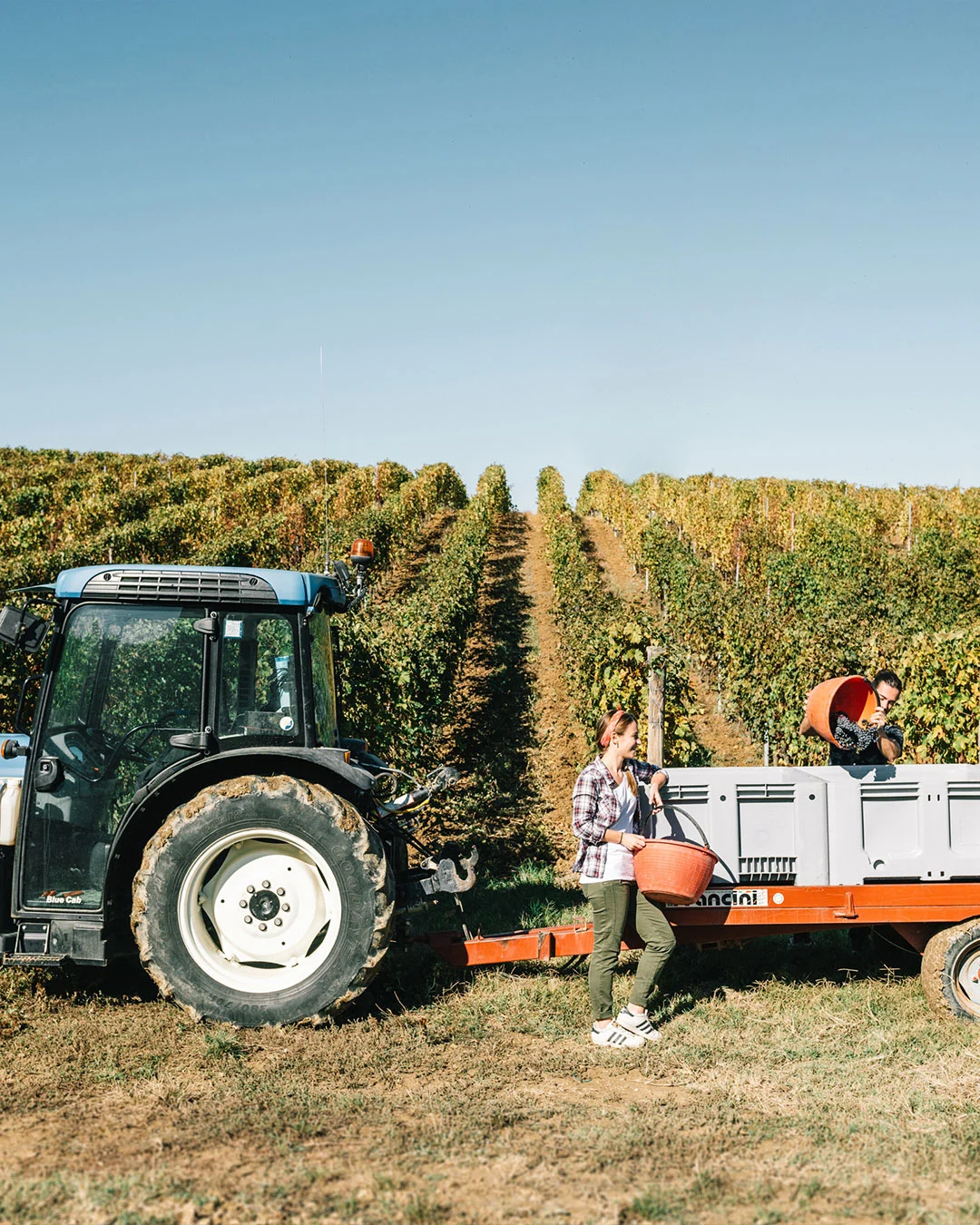
This is where we grew up, where we learned to know every season, every vineyard and every nuance of the landscape. It is from this land that the identity of Monte delle Vigne—and of every bottle we produce—takes shape.

Before the wine,
the land.
The vineyards of Monte delle Vigne stretch between the Taro River Regional Park and the Boschi di Carrega Regional Park. We are in Ozzano Taro, in the heart of the Parma Hills: a landscape of vineyards, woodlands, meadows, lakes, streams and badlands, where nature and viticulture have always coexisted.
This is where we grew up, where we learned to know every season, every vineyard and every nuance of the landscape. It is from this land that the identity of Monte delle Vigne—and of every bottle we produce—takes shape.

The Land in Numbers
A Treasure to Be Preserved
We believe that making wine begins with caring for the land. That is why we embrace organic farming, protecting the natural balance of our surroundings while preserving an ecosystem of remarkable richness.
Our vineyards in Parma stretch between the Taro River Regional Park, the Carrega Woods Regional Park and the Monte Prinzera Nature Reserve, surrounded by more than 100 hectares of woodland, meadows, lakes, streams, gullies and vine rows.
Every element plays its part in shaping the character of our wines, an authentic expression of the Parma Hills.

A Treasure to Be Preserved
We believe that making wine begins with caring for the land. That is why we embrace organic farming, protecting the natural balance of our surroundings while preserving an ecosystem of remarkable richness.
Our vineyards in Parma stretch between the Taro River Regional Park, the Carrega Woods Regional Park and the Monte Prinzera Nature Reserve, surrounded by more than 100 hectares of woodland, meadows, lakes, streams, gullies and vine rows.
Every element plays its part in shaping the character of our wines, an authentic expression of the Parma Hills.
Four Aspects.
One Distinct Identity.
Each area of the estate is dedicated to the grape varieties best suited to its soils, aspect and unique microclimate.
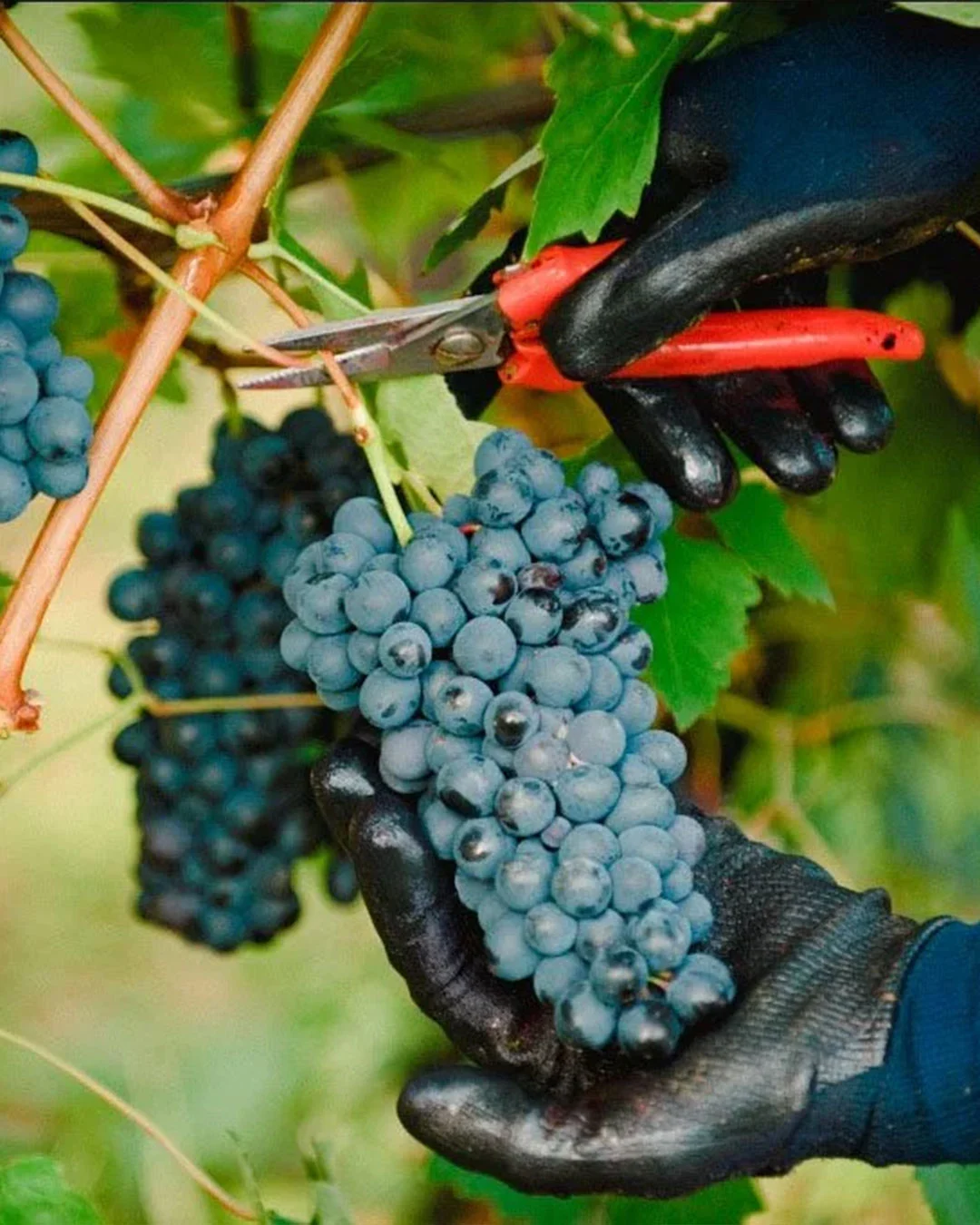
Cabernet
Franc
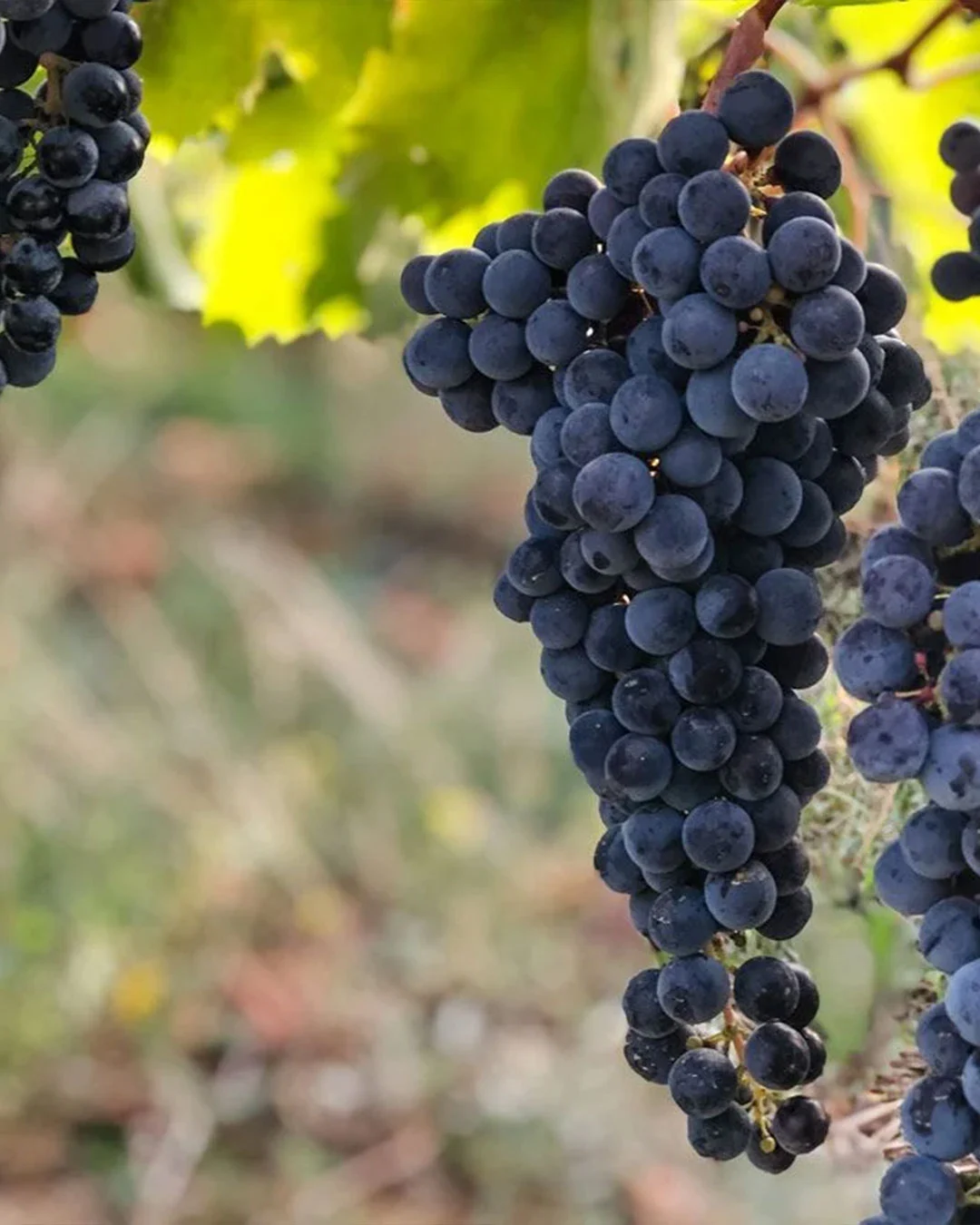
Barbera &
Lambrusco
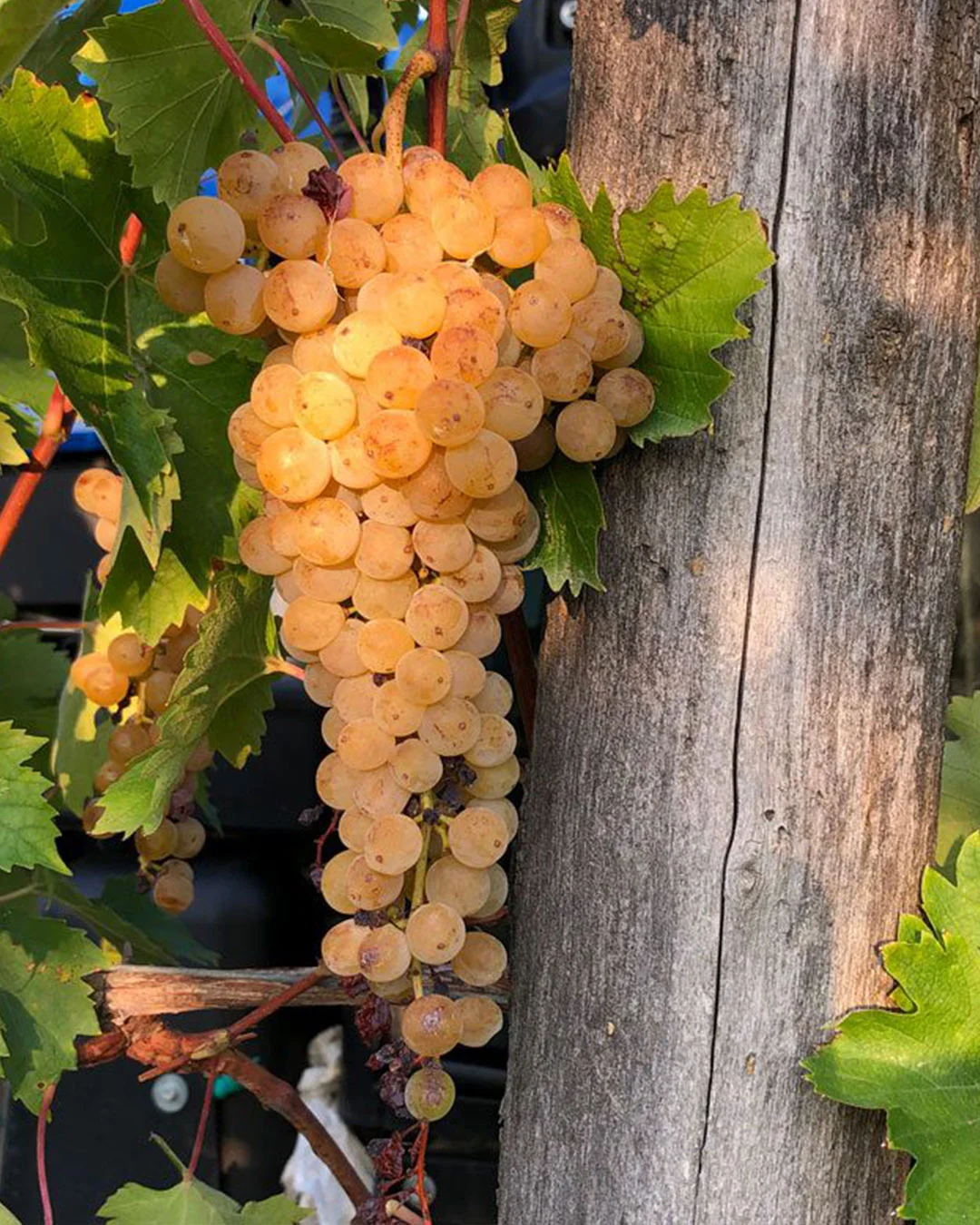
Malvasia,
Sauvignon &
Chardonnay
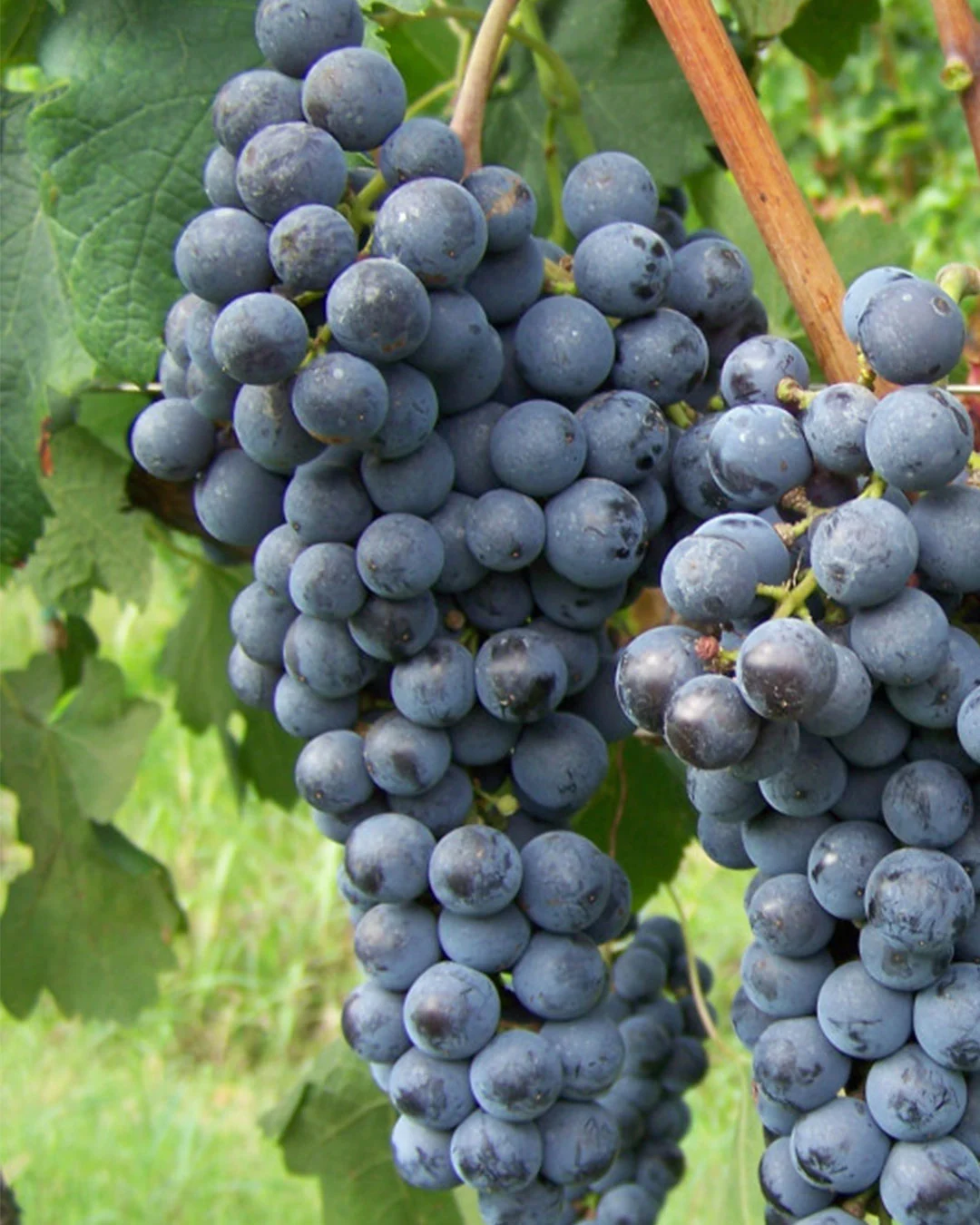
Merlot
A Balance Shaped by Nature
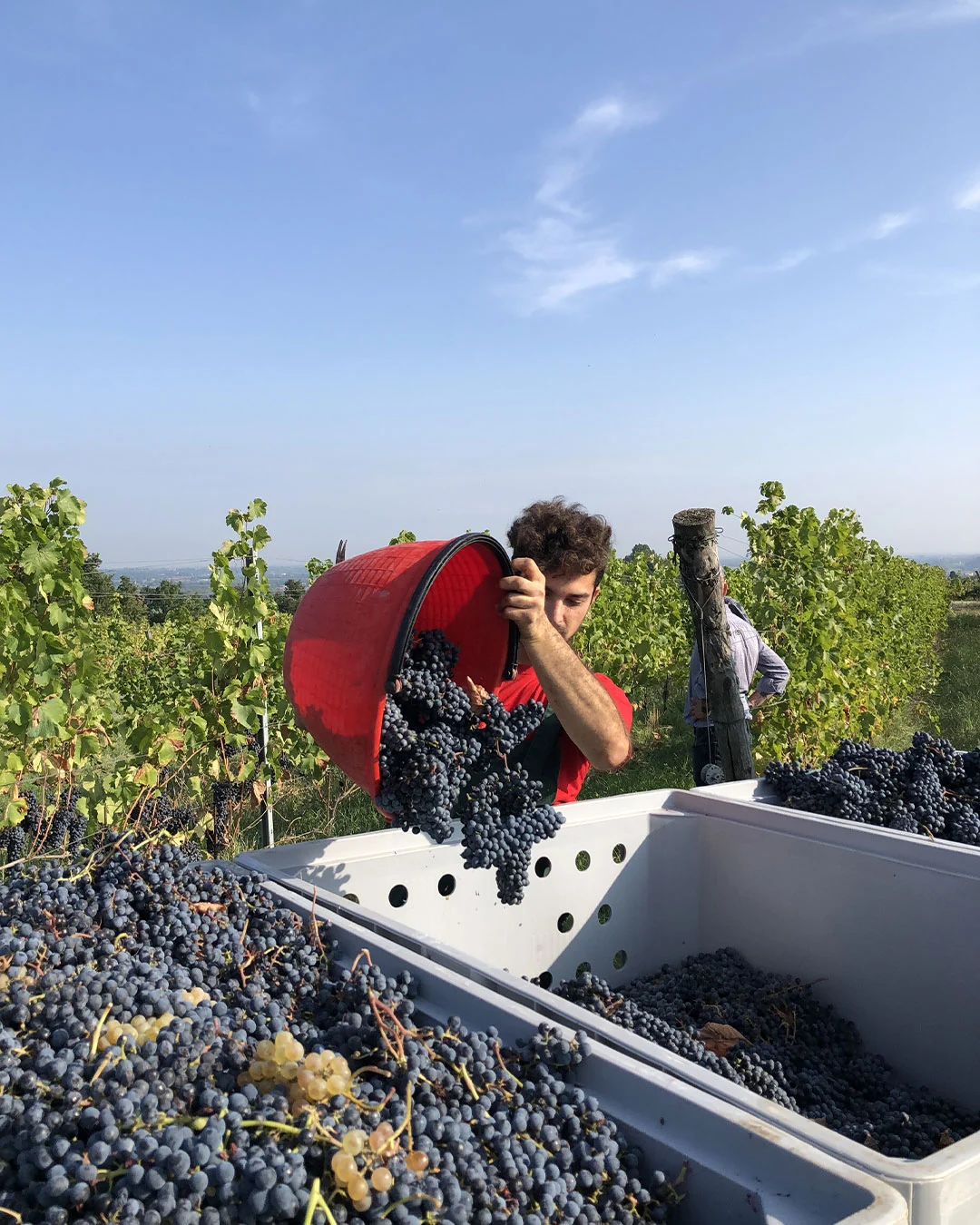
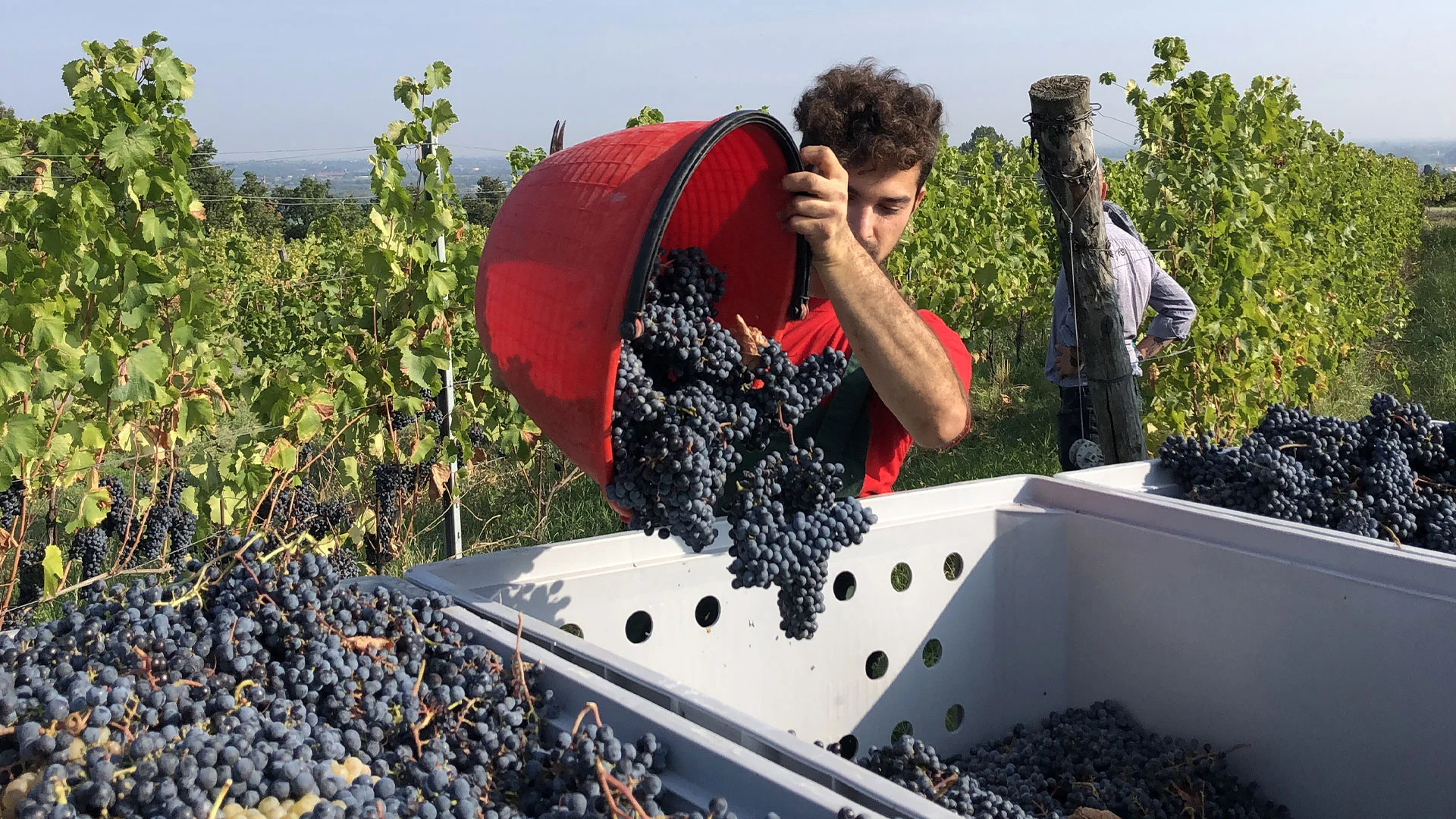
The quality of our wines begins long before the harvest. It is born from the harmony between the land, the climate and the hands that care for it.
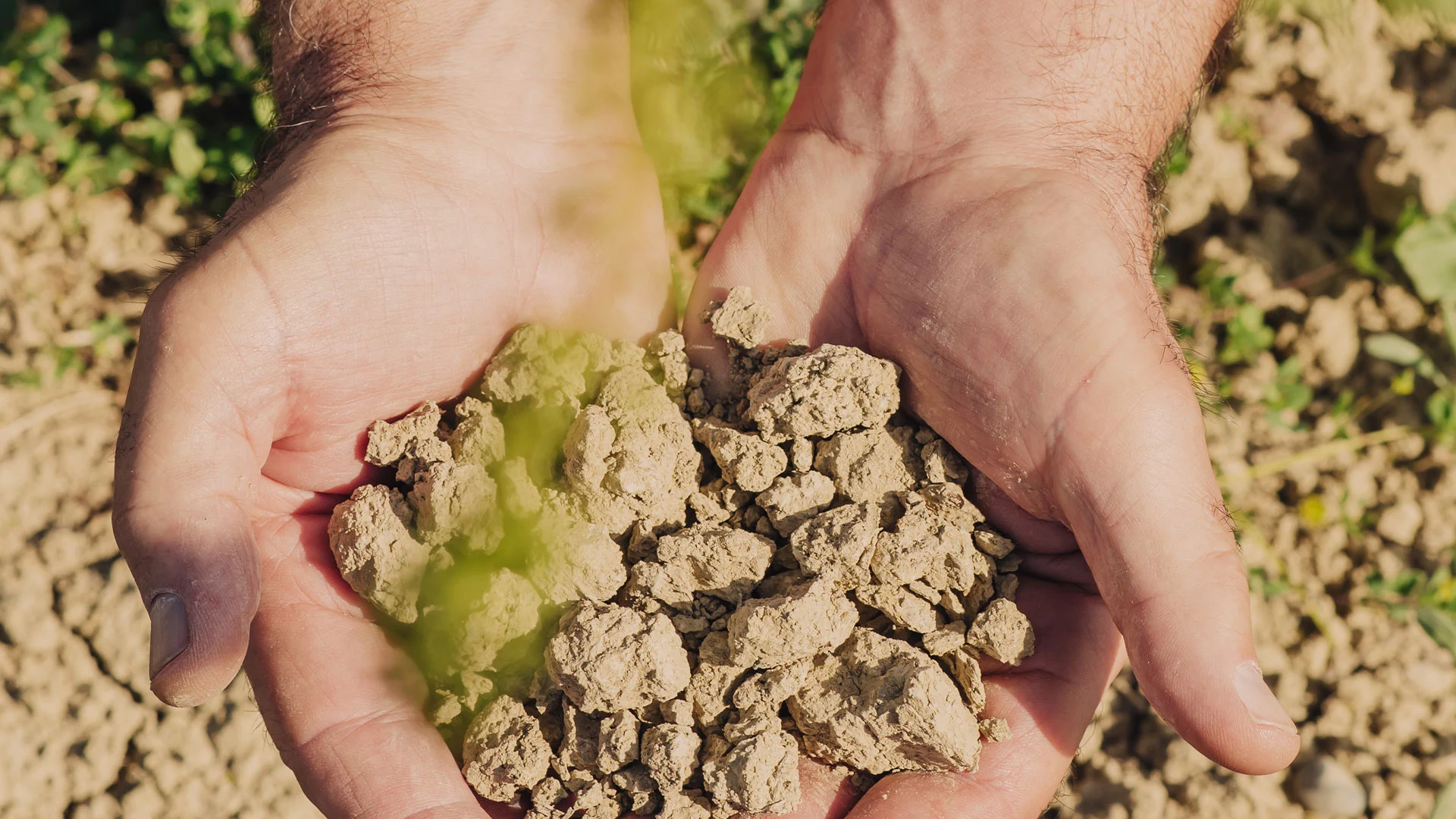
Our limestone-clay soils give the wines elegance, minerality and vibrant freshness. Clay brings strength to the vines and concentration to the grapes, while limestone enhances finesse and aromatic complexity.
Cool breezes flowing from the Cisa Pass, together with marked day-to-night temperature variations, encourage a slow, balanced ripening of the grapes, preserving their aromas, fragrance and natural acidity.
Together, these elements shape wines that are distinctive, authentic and deeply rooted in the land from which they come.
A Balance Shaped by Nature
The quality of our wines begins long before the harvest. It is born from the harmony between the land, the climate and the hands that care for it.
Our limestone-clay soils give the wines elegance, minerality and vibrant freshness. Clay brings strength to the vines and concentration to the grapes, while limestone enhances finesse and aromatic complexity.
Cool breezes flowing from the Cisa Pass, together with marked day-to-night temperature variations, encourage a slow, balanced ripening of the grapes, preserving their aromas, fragrance and natural acidity.
Together, these elements shape wines that are distinctive, authentic and deeply rooted in the land from which they come.